
Map

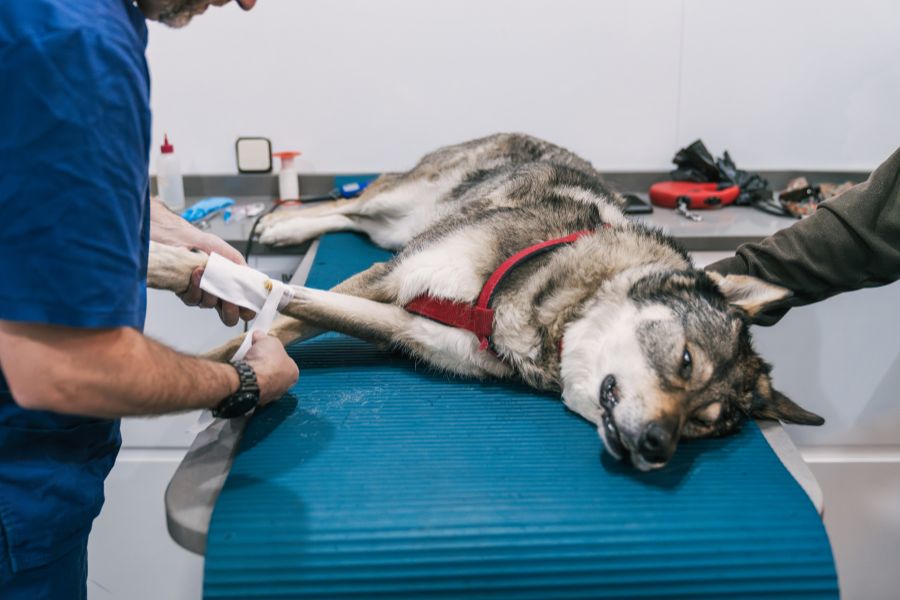
Pet orthopedic surgery focuses on restoring movement, easing pain, and improving quality of life for pets dealing with bone, joint, or ligament issues. This blog explains common conditions, treatment options, recovery expectations, and how pet owners can support healing at home.
It also highlights when surgery becomes necessary and what outcomes you can expect. Clear guidance helps you make confident decisions for your pet’s health. For families in Scottsdale, access to specialized care and rehabilitation services makes recovery more manageable and reassuring.
What Is Pet Orthopedic Surgery?
Orthopedic surgery involves correcting problems related to bones, joints, ligaments, and muscles. Pets may need surgical care due to injuries, aging, or inherited conditions. The goal is to restore mobility and reduce discomfort so pets can return to daily activities.
Some pets show subtle signs before diagnosis. Limping, difficulty standing, or reduced activity often signal underlying issues. Early evaluation helps prevent further damage and supports better outcomes.
Common Conditions That Require Surgery
1. Ligament Injuries
Torn ligaments in the knee are common in dogs. These injuries cause instability and pain. Surgery stabilizes the joint and allows proper healing.
2. Hip Dysplasia
This condition affects the hip joint and leads to discomfort and stiffness. Surgical correction improves joint alignment and function.
3. Fractures
Broken bones from accidents or falls require precise repair. Surgery ensures proper alignment and healing.
4. Joint Disorders
Arthritis and cartilage damage can limit movement. Some cases benefit from surgical intervention when other treatments fail.
Signs Your Pet May Need Orthopedic Care
- Limping or favoring one leg
- Difficulty jumping or climbing stairs
- Swelling around joints
- Reduced activity or reluctance to play
- Changes in posture or gait
These signs often appear gradually. Prompt attention helps avoid complications and supports faster recovery.
The Surgical Process Explained
1. Pre-Surgical Evaluation
A detailed exam determines the exact problem. Imaging tests help identify the affected area. This step ensures the right treatment plan.
2. The Procedure
The surgery depends on the condition. Some procedures repair ligaments. Others stabilize bones or replace damaged joints. Precision plays a key role in success.
3. Post-Surgical Care
Recovery begins immediately after surgery. Pain management, rest, and controlled movement support healing.
Recovery and Rehabilitation
Healing takes time and patience. Each pet recovers at a different pace. Consistent care improves outcomes.
1. Rest and Activity Control
Limiting movement prevents strain on the surgical site. Short, supervised walks may be allowed.
2. Physical Therapy
Rehabilitation exercises strengthen muscles and improve flexibility. These sessions support long-term mobility.
3. Nutrition Support
Balanced nutrition aids tissue repair and overall recovery. Maintaining a healthy weight reduces stress on joints.
4. Monitoring Progress
Regular check-ups track healing and address concerns early. Adjustments to care plans may be needed.
Supporting Your Pet at Home
Create a calm and comfortable space for recovery. Soft bedding reduces pressure on joints. Keep essentials within easy reach to limit movement.
Assist your pet when walking or standing. Use supportive harnesses if needed. Follow all care instructions closely to avoid setbacks.
Consistency matters. Daily routines help pets feel secure during recovery.
Local Considerations for Pet Owners
Scottsdale’s warm climate allows year-round outdoor activity. During recovery, limit exposure to heat and rough surfaces. Early morning or evening walks are safer.
Local parks and trails may seem appealing. Avoid uneven terrain until your pet fully heals. Controlled environments provide better safety during recovery.
Access to specialized pet care in the area ensures pets receive proper treatment and follow-up support. This makes the recovery journey smoother for both pets and owners.
Understanding Costs and Expectations
Orthopedic procedures vary in complexity. Costs depend on the condition, surgical method, and aftercare needs. Discuss all details with your care provider to understand the full scope.
Results often include improved mobility and reduced pain. Some pets regain full activity levels. Others experience significant improvement with minor limitations.
Clear expectations help pet owners prepare for the journey ahead.
When Surgery Becomes Necessary
Non-surgical treatments may help in the early stages. Medication, rest, and therapy often provide relief. Surgery becomes necessary when these methods fail to improve the condition.
Delaying treatment can worsen the problem. Timely intervention leads to better outcomes and faster recovery.
In the middle of this process, pet surgery decisions should always focus on long-term comfort and quality of life.
Choosing the Right Care Provider
Experience and expertise matter when selecting a provider. Look for a team that offers advanced techniques and personalized care plans.
Communication is essential. Clear explanations help you understand each step. This builds confidence and ensures your pet receives the best possible care.
If you’re located in Scottsdale and seeking a trusted veterinarian near you, explore our full range of services and see how a comprehensive approach can support your pet’s health at every stage of life.
Contact Arizona Canine Orthopedics & Sports Medicine today to discuss your pet’s needs, schedule an appointment, or learn more about the care options available for their long-term comfort and well-being.
Conclusion
Pet orthopedic surgery provides a path toward improved comfort and mobility for pets facing joint or bone challenges. Careful diagnosis, skilled treatment, and consistent recovery support make a meaningful difference in outcomes. Pet owners play an important role in ensuring successful healing through attentive care and patience.
Every step contributes to a better quality of life for your companion. We are conveniently located in Scottsdale. Reach out to Arizona Canine Orthopedics & Sports Medicine facility, where compassionate care and community come together for your pet’s well-being.
Frequently Asked Questions(FAQs):
Q1. What is the recovery time for orthopedic surgery in pets?
A: Recovery varies based on the procedure and the pet’s condition. Most pets need several weeks to months for full healing. Controlled activity, follow-up visits, and rehabilitation exercises help ensure a smoother and more effective recovery process.
Q2. Is orthopedic surgery safe for older pets?
A: Age alone does not determine safety. Overall health plays a bigger role. Many older pets successfully undergo surgery with proper evaluation and care. A tailored approach ensures the procedure aligns with the pet’s needs and condition.
Q3. How can I tell if my pet is in pain after surgery?
A: Signs include restlessness, reduced appetite, or reluctance to move. Vocalization and changes in behavior may also occur. Monitoring closely and following care instructions helps manage discomfort and ensures proper healing.
Q4. Are there alternatives to surgery?
A: Some conditions respond to medication, therapy, or lifestyle changes. These options may delay or reduce the need for surgery. Severe cases often require surgical intervention for lasting improvement and better quality of life.
Q5. What should I prepare before bringing my pet home after surgery?
A: Create a quiet recovery space with soft bedding. Remove obstacles and limit movement areas. Keep food, water, and medications easily accessible. Preparation ensures a safe and comfortable environment for healing.
Q6. Will my pet return to normal activity levels?
A: Many pets regain strong mobility after recovery. Some may need ongoing care or modified activity. Consistent rehabilitation and proper management play a key role in achieving the best possible outcome.
Get Informed
Schedule a Consultation
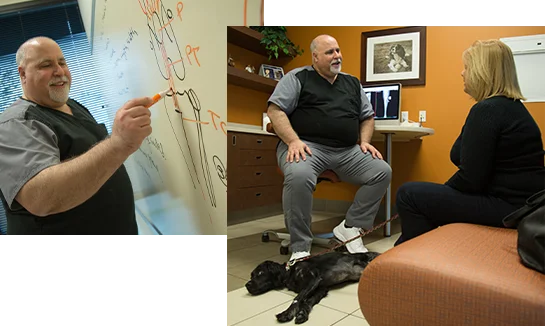
Make no mistake, all surgical procedures are serious. Get the information you need and know your options. Then make an informed decision. Like any service, not all veterinary services are equal. Call to schedule or ask questions.