

Map

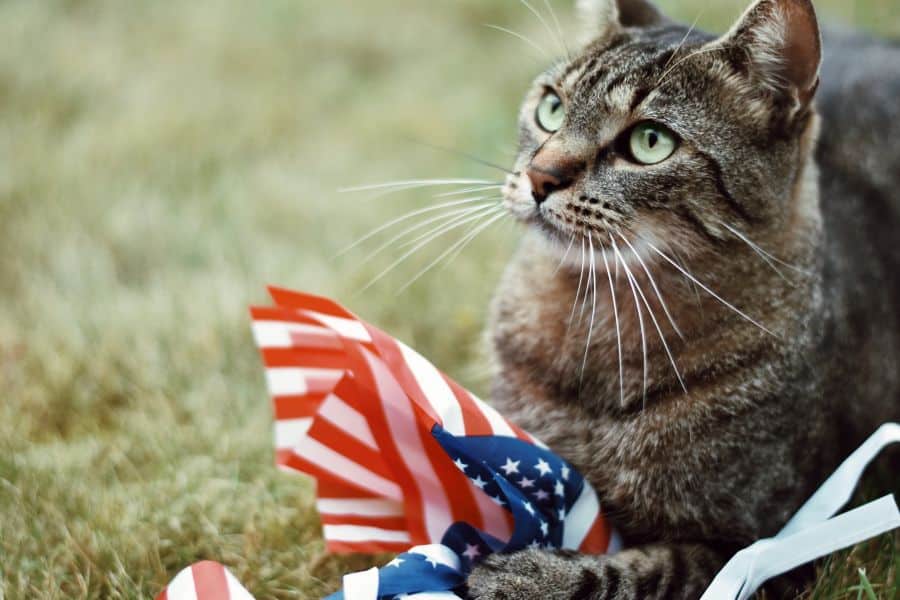
The 4th of July is a time for backyard gatherings, fireworks, and festive fun. It can also be one of the most stressful days of the year for cats. Loud noises, unfamiliar guests, open doors, and bright flashes often cause fear, increasing the risk of escapes, injuries, and anxiety. Indoor cats and outdoor cats face different challenges, yet both need extra care during holiday celebrations.
This guide explains simple ways to prepare your home, reduce stress, protect your cat before fireworks begin, and recognize signs that your pet may need extra support. These practical tips can help your cat stay comfortable while your family enjoys the holiday. Pet owners in Scottsdale can also benefit from planning before local celebrations begin.
Why the 4th of July Can Be Stressful for Cats
Cats rely on familiar surroundings and predictable routines. Fireworks interrupt both with loud explosions, flashing lights, and increased activity around the neighborhood. Many cats react by hiding, refusing food, or trying to escape through open windows or doors.
Even calm cats may become frightened during holiday events. Indoor cats can bolt outside if visitors leave doors open. Outdoor cats may run into unsafe areas while trying to avoid loud sounds. Planning reduces these risks.
Preparing Your Cat Before Fireworks Start
Preparation makes a major difference in your cat’s comfort and safety.
1. Create a Safe Indoor Space
Choose a quiet room away from windows and outside noise. Include your cat’s bed, litter box, fresh water, food, favorite toys, and scratching post. Keeping familiar scents nearby helps many cats feel more secure.
Close curtains to reduce flashing lights. Playing soft music or running a fan can help mask fireworks.
2. Check Identification
Make sure your cat wears an identification tag if appropriate. A registered microchip with updated contact information provides extra protection if your cat gets lost during the holiday.
3. Keep Daily Routines Consistent
Feed your cat at normal times and keep play sessions familiar. Regular routines help reduce stress during unusual events.
Safety Tips for Indoor Cats
Indoor cats depend on their owners to create a secure environment during celebrations.
1. Prevent Accidental Escapes
Guests often leave doors open longer than expected. Place reminder signs near exits if you’re hosting visitors. Ask family members to check before opening doors.
Keep windows securely closed if fireworks are nearby.
2. Offer Hiding Places
Many cats naturally hide when frightened. Allow access to covered beds, closets, or cardboard boxes instead of forcing interaction. Respecting their need for space helps them relax.
3. Avoid Holiday Hazards
Decorations, ribbons, food scraps, sparklers, and small party items may attract curious cats. Store dangerous objects safely and keep human foods out of reach.
Safety Tips for Outdoor Cats
The safest place for outdoor cats during the 4th of July is indoors.
Bring your cat inside well before fireworks begin. Waiting until dark increases the chance that they may already be frightened or difficult to find.
If your cat spends most of its time outdoors, introduce a quiet indoor area several days before the holiday. This gradual adjustment helps reduce anxiety.
Never allow cats outside while fireworks are happening. Even experienced outdoor cats can panic and lose their sense of direction.
Helping Cats Stay Calm During Fireworks
Every cat responds differently to loud noises. Some hide quietly. Others vocalize, pace, or refuse food.
Stay calm and speak softly. Avoid forcing your cat out of hiding or rewarding fearful behavior with excessive attention. Simply remain available while allowing your cat to settle naturally.
Interactive toys before sunset can help burn energy. A tired cat may rest more comfortably once celebrations begin.
For cats with severe anxiety during fireworks each year, discuss calming options with your trusted pet care team before the holiday.
Signs Your Cat Needs Extra Attention
Watch for unusual behavior after fireworks end.
Common signs include:
- Refusing food for an extended period
- Heavy hiding beyond the next day
- Limping or visible injuries
- Trouble breathing
- Excessive drooling
- Vomiting or diarrhea
- Missing for several hours after escaping
Prompt attention can prevent minor concerns from becoming larger problems.
What to Do If Your Cat Gets Lost
Despite careful planning, frightened cats sometimes escape.
Search nearby hiding places first, including bushes, garages, decks, and sheds. Bring familiar treats or a favorite blanket. Notify neighbors quickly and update your microchip company if contact information has changed.
Many frightened cats stay surprisingly close to home. Early searches often lead to successful reunions.
Celebrate Safely Together
The 4th of July should be enjoyable for every family member, including your cat. A little preparation helps indoor cats stay secure and gives outdoor cats a safe place away from fireworks. Simple steps taken before celebrations begin often prevent stressful situations later.
If your cat seems anxious, becomes injured, or shows unusual behavior during the holiday, don’t wait to seek guidance. Book an appointment if you have concerns about your cat’s health or well-being before or after the festivities.
If you’re located in Scottsdale, Arizona Canine Orthopedics & Sports Medicine offers compassionate support for local pet families, bringing together experienced care and a strong community commitment to help keep your cat healthy, comfortable, and safe throughout the holiday season.
Frequently Asked Questions(FAQs):
1. Should I keep my indoor cat inside during the 4th of July celebrations?
A: Yes. Even indoor cats can become frightened by fireworks and may escape through open doors or windows. Keeping them in a quiet, secure room greatly reduces the chance of injury or getting lost during holiday activities.
2. Is it safe for outdoor cats to stay outside during fireworks?
A: No. Outdoor cats should be brought indoors before celebrations begin. Fireworks can cause panic, making cats run into unfamiliar areas, traffic, or dangerous situations where they may become injured or lost.
3. How can I help my cat stay calm during fireworks?
A: Create a quiet room with familiar bedding, food, water, toys, and a litter box. Close curtains, play soft background noise, and allow your cat to hide comfortably without forcing interaction during loud celebrations.
4. What signs show my cat is stressed after fireworks?
A: Cats may hide for long periods, refuse food, pace, vocalize more than usual, or act unusually withdrawn. Persistent symptoms, breathing problems, or visible injuries should be evaluated promptly by a pet care professional.
5. What should I do if my cat escapes during the holiday?
A: Search nearby hiding places immediately, ask neighbors to check garages and sheds, bring familiar treats, and confirm your cat’s microchip information is current. Many frightened cats remain close to home during the first several hours.
6. Should I schedule a checkup before the 4th of July if my cat gets anxious?
A: If your cat experiences significant fear every year, planning is helpful. A pre-holiday visit allows you to discuss safe stress-management options and prepare your cat well before fireworks begin.
Get Informed
Schedule a Consultation
Make no mistake, all surgical procedures are serious. Get the information you need and know your options. Then make an informed decision. Like any service, not all veterinary services are equal. Call to schedule or ask questions.