

Map

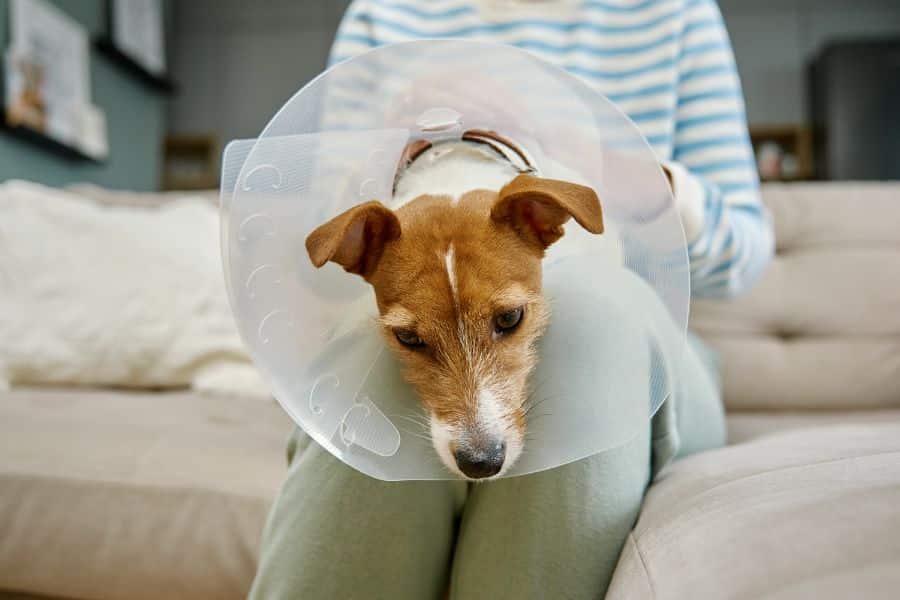
As pets grow older, their bodies change in ways that can make them more vulnerable to sudden health problems. Some conditions develop slowly, while others appear without warning and require prompt surgical treatment. Knowing which symptoms should never be ignored can help you act quickly and give your pet the best chance for recovery.
This guide explains the common warning signs, conditions that may require surgery, how age affects treatment decisions, and what to expect during urgent care visits. Understanding these signs allows pet owners to make informed decisions with confidence. If you’re seeking reliable care for aging pets, recognizing these symptoms early is one of the most important steps you can take in Scottsdale.
Why Senior Pets Face Higher Surgical Risks
Senior pets naturally experience changes in muscle strength, organ function, and immune response. These age-related changes may slow healing and increase the likelihood of certain medical conditions. Despite these challenges, many older pets recover well when problems are identified early and treated without delay.
Prompt evaluation is often more important than age itself. Delaying treatment can allow a condition to worsen, making surgery more complicated and recovery longer.
Signs Your Senior Pet May Need Urgent Care Surgery
1. Sudden Difficulty Standing or Walking
A pet that suddenly struggles to stand, collapses, or refuses to walk may have a serious orthopedic injury, spinal condition, or joint problem. Older dogs are especially prone to ligament injuries and spinal disorders that sometimes require surgical correction.
Pain, dragging limbs, or loss of coordination should never be ignored.
2. Severe Swelling of the Abdomen
An enlarged or firm abdomen can signal internal bleeding, organ problems, or stomach conditions requiring immediate surgical attention. This symptom often develops quickly and may be accompanied by weakness, restlessness, or repeated attempts to lie down.
Rapid evaluation can improve treatment options.
3. Persistent Vomiting With No Improvement
Occasional stomach upset is common, but repeated vomiting over several hours may indicate an intestinal blockage, twisted stomach, or other condition that surgery can resolve.
Loss of appetite combined with vomiting deserves careful attention, particularly in senior pets.
4. Deep Wounds or Severe Bite Injuries
Large cuts, puncture wounds, or serious bite injuries may extend beneath the skin and damage muscles or internal structures. Cleaning alone may not be enough.
Surgical repair helps reduce infection risks and supports proper healing.
5. Difficulty Urinating or Complete Inability to Urinate
A pet straining to urinate without producing urine may have a urinary obstruction. This condition becomes life-threatening if left untreated and often requires immediate medical intervention, including surgery in some cases.
Watch for repeated attempts to urinate, crying, or blood in the urine.
6. Sudden Collapse or Extreme Weakness
Unexpected collapse may result from internal bleeding, heart-related problems, ruptured tumors, or other critical conditions. Surgery may become necessary after diagnostic testing identifies the cause.
Older pets should never be monitored at home after an unexplained collapse.
Common Conditions That May Require Surgery
Several age-related conditions commonly affect senior pets.
1. Intestinal Blockages
Objects, tumors, or severe digestive disorders can prevent food from passing normally through the digestive tract.
2. Splenic Masses
Some senior dogs develop masses on the spleen that may rupture and cause internal bleeding.
3. Orthopedic Injuries
Ligament tears, fractures, and severe joint injuries sometimes require surgical stabilization.
4. Bladder Stones
Large bladder stones can block urine flow or irritate the bladder lining, making surgical removal necessary.
5. Tumor Removal
Some growths interfere with mobility, eating, or organ function. Early removal often improves comfort and quality of life.
What Happens During an Urgent Surgical Evaluation?
The care team begins with a physical examination and diagnostic testing. Blood work, imaging, and other assessments help identify the underlying problem and determine whether surgery offers the safest solution.
Pet owners receive a clear explanation of findings, treatment recommendations, expected recovery, and possible risks. This transparent communication helps families make informed decisions without unnecessary confusion.
If surgery is recommended, preparation begins as soon as the pet is medically stable.
Supporting Recovery After Surgery
Recovery depends on the condition treated, the pet’s overall health, and careful home care.
Important recovery steps include:
- Administer medications exactly as prescribed.
- Limit activity until healing progresses.
- Monitor the incision for swelling or discharge.
- Encourage eating and drinking as directed.
- Attend all follow-up appointments.
Many senior pets return to comfortable daily routines with proper care and monitoring.
When Should You Seek Immediate Medical Attention?
Never wait if your senior pet experiences:
- Difficulty breathing
- Continuous vomiting
- Severe abdominal swelling
- Collapse or fainting
- Heavy bleeding
- Inability to urinate
- Sudden inability to walk
- Severe pain that does not improve
These warning signs often indicate conditions requiring rapid medical evaluation. If you believe your aging companion needs urgent care for pets, a timely assessment may prevent complications and improve recovery outcomes.
Call us at (480) 867-2911 to discuss your senior pet’s condition and receive prompt urgent care support.
Conclusion
Growing older does not mean your pet cannot enjoy an active, comfortable life. Paying close attention to sudden changes in behavior, movement, appetite, or physical condition helps identify serious problems before they become more difficult to treat. Fast medical evaluation, accurate diagnosis, and timely surgery often make a meaningful difference in recovery and long-term comfort.
If you’re located in Scottsdale, consider reaching out to Arizona Canine Orthopedics & Sports Medicine, where compassionate care and a strong commitment to the community support your pet’s health and well-being.
Frequently Asked Questions(FAQs):
1. How do I know if my senior pet needs surgery right away?
A: Sudden collapse, severe abdominal swelling, repeated vomiting, inability to urinate, deep wounds, or loss of mobility are warning signs that deserve immediate medical evaluation. Prompt assessment helps determine whether surgery is necessary and reduces the risk of additional complications.
2. Is surgery safe for older pets?
A: Many senior pets undergo surgery successfully after careful examinations and diagnostic testing. Age alone does not determine surgical success. Overall health, underlying conditions, and timely treatment all influence recovery and long-term outcomes.
3. What should I bring when visiting an urgent care clinic?
A: Bring your pet’s current medications, previous medical records if available, vaccination history, and a list of symptoms. Information about recent eating, drinking, and behavior changes also helps the medical team evaluate your pet efficiently.
4. Can waiting a few hours make a difference?
A: Yes. Some conditions progress quickly and become more difficult to treat if delayed. Prompt medical attention often improves treatment choices, reduces complications, and supports a smoother recovery for senior pets needing surgical care.
5. How long does recovery usually take after surgery?
A: Recovery varies depending on the procedure and your pet’s overall health. Minor surgeries may heal within a few weeks, while orthopedic or abdominal procedures often require longer rest, follow-up visits, and careful activity restriction.
6. What should I watch for after my pet returns home?
A: Monitor the incision daily for swelling, redness, or discharge. Watch for loss of appetite, vomiting, excessive tiredness, difficulty walking, or unusual pain. Contact your care team promptly if any concerning symptoms appear during recovery.
Get Informed
Schedule a Consultation
Make no mistake, all surgical procedures are serious. Get the information you need and know your options. Then make an informed decision. Like any service, not all veterinary services are equal. Call to schedule or ask questions.