

Map

A torn ACL is one of the most common orthopedic injuries seen in dogs, particularly in active breeds and older pets. Known medically as a cranial cruciate ligament (CCL) injury, this condition can cause pain, limping, instability, and long-term joint damage if left untreated. Unfortunately, many pet owners mistake the early signs for a simple strain or minor injury, delaying the care their dog needs.
In this guide, we’ll explain how to tell if your dog’s ACL is torn, the warning signs to watch for, available treatment options, and why waiting too long to seek care can lead to more serious complications. Understanding the symptoms early can help protect your dog’s mobility, comfort, and long-term quality of life.
What Is a Dog’s ACL?
In people, the ACL stands for the anterior cruciate ligament. In dogs, the equivalent structure is called the cranial cruciate ligament (CCL).
This important ligament helps:
- Stabilize the knee joint
- Prevent excessive movement
- Support normal walking and running
- Maintain proper joint function
When the ligament partially or completely tears, the knee becomes unstable, leading to pain and difficulty bearing weight.
How Do Dogs Tear Their ACL?
Unlike humans, who often tear their ACL during sudden athletic movements, dogs often develop CCL injuries gradually over time.
Common contributing factors include:
- Age-related degeneration
- Excess body weight
- Repetitive stress on the joint
- Genetics
- Poor conditioning
- Sudden twisting movements
- High-impact activity
Some dogs experience a complete rupture, while others initially suffer a partial tear that worsens over time.
Common Signs of a Torn ACL in Dogs
Recognizing the symptoms early can help prevent further damage.
1. Sudden Limping
One of the most noticeable signs is limping on a rear leg.
Some dogs may:
- Hold the leg off the ground
- Walk with a noticeable limp
- Alternate between limping and walking normally
2. Difficulty Standing Up
Dogs with ACL injuries often struggle when rising from a resting position.
You may notice:
- Hesitation before standing
- Slow movements
- Stiffness after resting
3. Reduced Activity
Dogs that once enjoyed running and playing may become less active.
Many pets avoid activities that place stress on the injured knee.
4. Trouble Jumping
A torn ACL can make jumping painful.
Affected dogs may hesitate before:
- Getting into the car
- Climbing stairs
- Jumping onto furniture
5. Sitting Abnormally
Some dogs sit with the injured leg extended outward rather than tucked underneath the body.
This posture may help reduce pressure on the painful knee.
Signs a Partial ACL Tear May Be Worsening
Not every ligament injury causes immediate severe lameness.
A dog with a partial tear may initially show:
- Mild limping
- Occasional stiffness
- Reduced endurance
Over time, symptoms often become more noticeable as the ligament continues to weaken.
Without treatment, a partial tear can progress to a complete rupture.
What Happens Inside the Knee After a Tear?
Once the ligament is damaged, the knee loses stability.
This instability causes:
- Abnormal joint movement
- Inflammation
- Cartilage wear
- Pain
- Progressive arthritis
Each step places additional strain on the affected joint, contributing to ongoing damage.
Why Waiting Too Long Can Be a Serious Mistake
Many owners hope their dog’s limp will improve with rest alone.
While some symptoms may temporarily improve, the underlying instability often persists.
1. Increased Arthritis Development
One of the most significant consequences of delayed treatment is accelerated arthritis.
Joint instability causes ongoing wear and tear that can permanently affect mobility.
2. Progressive Joint Damage
The longer the knee remains unstable, the greater the risk of:
- Cartilage damage
- Meniscus injury
- Chronic inflammation
These secondary injuries can complicate treatment and recovery.
3. Muscle Loss
Dogs naturally shift weight away from painful limbs.
Over time, reduced use of the leg can result in:
- Muscle atrophy
- Weakness
- Reduced mobility
4. Greater Risk to the Opposite Leg
Studies show that many dogs who tear one ACL eventually injure the opposite knee.
Changes in weight distribution may increase stress on the healthy leg.
How Veterinarians Diagnose ACL Injuries
A diagnosis typically begins with a thorough orthopedic examination.
Your veterinarian may evaluate:
- Gait and movement
- Joint stability
- Pain response
- Muscle condition
Diagnostic imaging is often recommended.
1. X-Rays
While X-rays do not directly show the ligament, they help identify:
- Joint swelling
- Arthritis
- Bone changes
- Other orthopedic conditions
2. Advanced Imaging
In certain cases, additional imaging may be recommended for a more detailed assessment.
Accurate diagnosis helps guide the most appropriate treatment plan.
Treatment Options for Torn ACLs in Dogs
Treatment depends on factors such as:
- Size of the dog
- Activity level
- Severity of the injury
- Overall health
1. Conservative Management
Some smaller dogs may benefit from:
- Weight management
- Activity restriction
- Physical rehabilitation
- Pain management
However, conservative treatment may not adequately restore joint stability in many cases.
2. Canine Orthopedic Surgery
For many canines, dog orthopedic surgery offers the best opportunity for long-term stability and improved function.
Common surgical procedures are designed to:
- Stabilize the knee
- Reduce pain
- Restore mobility
- Slow arthritis progression
A veterinary orthopedic specialist can recommend the most appropriate procedure based on your dog’s specific needs.
Recovery After ACL Surgery
Successful recovery requires commitment and patience.
Most rehabilitation plans include:
- Controlled activity
- Gradual exercise progression
- Physical therapy
- Follow-up evaluations
Many dogs return to excellent function following surgical treatment and rehabilitation.
The sooner appropriate treatment begins, the better the chances for a successful outcome.
When Should You See a Veterinary Professional?
Schedule an evaluation if your dog experiences:
- Persistent limping
- Sudden rear-leg lameness
- Difficulty standing
- Reduced activity
- Reluctance to jump
- Signs of knee pain
Early intervention with help from a veterinarian near you can help prevent further joint damage and improve long-term results.
Don’t Ignore the Early Signs of an ACL Injury
A torn ACL is far more than a temporary limp. Left untreated, this common orthopedic injury can lead to chronic pain, arthritis, muscle loss, and irreversible joint damage. Recognizing the warning signs early and seeking professional evaluation can significantly improve your dog’s comfort, mobility, and long-term quality of life.
Whether your dog is showing mild symptoms or experiencing significant lameness, timely diagnosis and treatment are essential. Modern orthopedic procedures and rehabilitation strategies have helped countless dogs return to active, happy lives after ACL injuries.
If you live in Scottsdale or the surrounding communities and your dog is limping, struggling to stand, or showing signs of a possible ACL injury, contact Arizona Canine Orthopedics & Sports Medicine to book a consultation today. Our veterinary hospital team specializes in advanced orthopedic surgery and sports medicine for dogs, designed to restore mobility, reduce pain, and help dogs return to the activities they love. Early treatment can make all the difference in protecting your pet’s joints for years to come.
Frequently Asked Questions(FAQs):
Q1: How can I tell if my dog’s ACL is torn?
Common signs include sudden limping, difficulty standing, reluctance to jump, decreased activity, and holding a rear leg off the ground. A veterinary examination is needed to confirm whether a partial or complete tear is present.
Q2: Can a torn ACL in a dog heal on its own?
A torn ACL generally does not heal completely on its own because the ligament has a limited ability to repair itself. Without proper treatment, joint instability often continues and may lead to arthritis and additional damage.
Q3: What happens if I wait too long to treat my dog’s ACL injury?
Delaying treatment can lead to worsening arthritis, cartilage damage, meniscus injuries, muscle loss, chronic pain, and decreased mobility. Early diagnosis and intervention typically provide better long-term outcomes and improve quality of life.
Q4: Do all dogs with ACL tears need surgery?
Not every dog requires surgery, but many medium and large breeds achieve the best long-term results with surgical stabilization. The appropriate treatment depends on your dog’s size, age, activity level, and severity of injury.
Q5: How long does recovery take after ACL surgery in dogs?
Recovery varies by procedure and individual patient, but most dogs require several months of controlled activity and rehabilitation. Following post-operative instructions carefully helps maximize healing and improve mobility.
Q6: Are certain dog breeds more likely to tear their ACLs?
Yes. Labrador Retrievers, Golden Retrievers, Rottweilers, Newfoundlands, Boxers, and several other large breeds have a higher risk of developing cranial cruciate ligament injuries due to genetics, body structure, and activity levels.
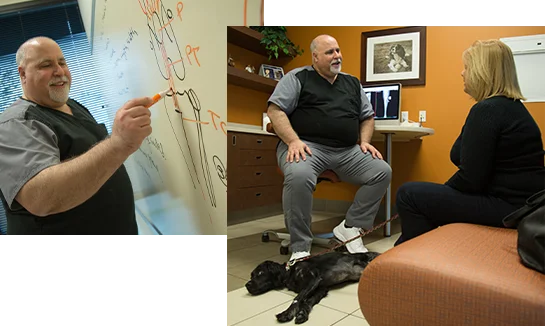
Get Informed
Schedule a Consultation
Make no mistake, all surgical procedures are serious. Get the information you need and know your options. Then make an informed decision. Like any service, not all veterinary services are equal. Call to schedule or ask questions.