
Map

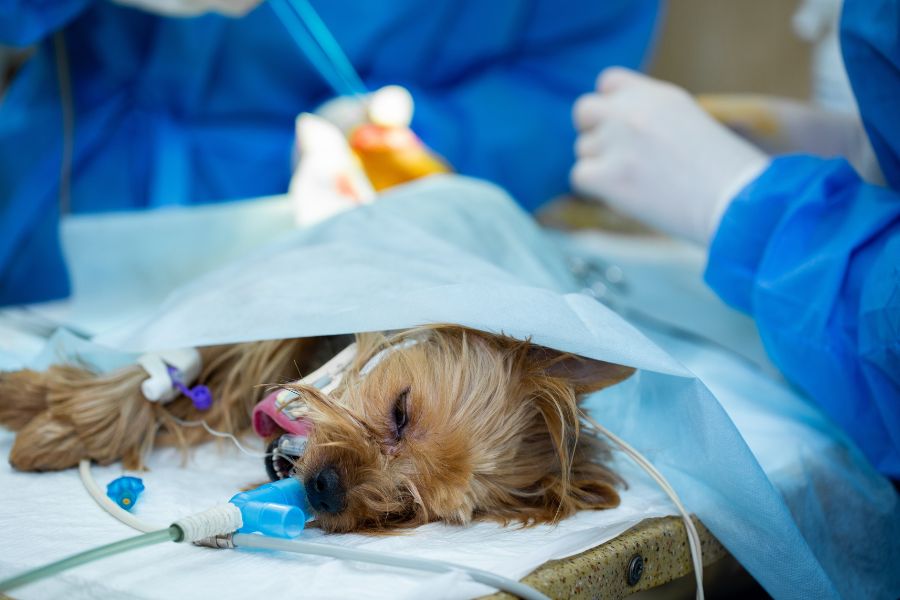
Hip dysplasia affects movement, comfort, and life for many dogs. Owners may notice stiffness, slower walks, difficulty standing, or reduced interest in play. Early support, safe exercise, and proper treatment can improve mobility.
This guide explains symptoms, home support, exercise ideas, treatment options, nutrition, and long-term care strategies. Families seeking orthopedic support for dogs in Scottsdale can benefit from understanding how consistent care improves quality of life.
Understanding Hip Dysplasia in Dogs
Hip dysplasia develops when the hip joint does not fit together correctly. Friction inside the joint causes irritation and reduced movement over time. Some dogs show signs early in life. Others develop discomfort during adulthood.
Large breeds experience hip dysplasia more often. Genetics, rapid growth, body weight, and physical strain may increase risk.
Common Signs of Hip Dysplasia
Owners often notice changes at home. Common symptoms include:
- Difficulty standing after rest
- Reduced interest in running or jumping
- Limping after activity
- Stiffness during walks
- Trouble climbing stairs
Early recognition supports better long-term comfort.
Creating a Comfortable Routine
Dogs with hip dysplasia benefit from supportive home environments. Small changes can reduce strain on painful joints.
Orthopedic bedding cushions pressure points during sleep. Non-slip rugs improve balance on smooth floors. Ramps help dogs enter vehicles safely. Raised bowls reduce pressure on the hips during meals.
Owners should avoid intense activity that places stress on the joints. Frequent jumping and rough play may increase discomfort.
Exercise Supports Mobility
Many people assume dogs with hip dysplasia should avoid exercise completely. Controlled movement helps maintain muscle strength and flexibility.
Short walks on even surfaces support mobility without overworking the hips. Swimming may also help. Gentle rehabilitation exercises can improve flexibility and coordination.
Activity levels should match each dog’s comfort level. Fatigue or soreness after exercise may indicate the routine needs adjustment.
Nutrition and Weight Management
Excess body weight increases pressure on painful joints. Healthy weight management remains one of the most effective ways to improve the quality of life for dogs with hip dysplasia.
Balanced nutrition supports joint health and energy levels. Some dogs benefit from supplements containing glucosamine, omega fatty acids, or chondroitin. Owners should speak with their care team before adding supplements.
Many families also focus on wellness habits, including routine exams and <a href=”#”>pet dental care</a>, because overall health contributes to better mobility and comfort.
Treatment Options for Hip Dysplasia
Treatment plans depend on age, mobility, pain level, and joint damage. Some dogs improve with lifestyle adjustments and medication. Others benefit from orthopedic procedures.
Pain management may include anti-inflammatory medication, rehabilitation therapy, laser therapy, or joint injections. Surgical procedures may help dogs experiencing severe discomfort.
Total Hip Replacement
Total hip replacement removes the damaged joint and replaces it with an artificial implant. Many dogs regain stronger movement and improved comfort after recovery.
Femoral Head Ostectomy
This procedure removes the damaged part of the hip joint, allowing the body to create a false joint during healing. Smaller dogs often respond well to this surgery.
Supporting Emotional Health
Physical discomfort may affect mood and behavior. Some dogs become withdrawn or less social when movement becomes painful.
Mental stimulation supports emotional wellness during recovery. Puzzle toys, scent games, and short training sessions help dogs remain engaged. Owners should continue spending quality time with their pets while respecting physical limitations.
Long-Term Care and Monitoring
Hip dysplasia management requires ongoing observation. Owners should monitor walking patterns, appetite, energy levels, and daily mobility.
Regular evaluations help identify changes before discomfort worsens. At Arizona Canine Orthopedics & Sports Medicine, we provide personalized treatment plans focused on comfort, mobility, and long-term joint health. Booking an appointment for early evaluation can help dogs receive timely support.
Conclusion
Dogs diagnosed with hip dysplasia can continue enjoying fulfilling lives with thoughtful care, safe exercise, treatment, and guidance. Consistent monitoring, nutrition, and home adjustments often improve comfort significantly.
Families who stay informed about changing mobility needs can help their dogs remain active. If you are located in Scottsdale, connect with our facility where compassionate care and community support work together to protect your pet’s comfort and well-being.
Frequently Asked Questions(FAQs):
1. Can hip dysplasia in dogs worsen over time?
A: Yes. Joint damage and discomfort may increase if the condition is not managed properly. Early support, healthy weight control, guided exercise, and regular monitoring often help reduce progression and improve mobility for many dogs.
2. What exercise is best for dogs with hip dysplasia?
A: Low-impact activities usually work best. Short walks, swimming, and controlled rehabilitation exercises support muscle strength without placing excessive stress on painful joints. Exercise routines should match each dog’s mobility level, age, and overall comfort.
3. Should dogs with hip dysplasia avoid stairs?
A: Frequent stair use may place additional strain on painful hips, especially during flare-ups. Some dogs manage stairs with support, while others benefit from ramps or restricted access. Monitoring balance and comfort helps owners determine the safest option.
4. Can weight loss help dogs with hip dysplasia?
A: Yes. Excess weight places additional pressure on damaged joints and often increases discomfort. Healthy body condition may improve movement, reduce strain during activity, and support better comfort levels throughout long-term hip dysplasia management.
5. How do I know when surgery is necessary?
A: Surgery may become an option when pain, reduced mobility, or poor quality of life continue despite medication and rehabilitation. An orthopedic evaluation helps determine whether surgery could improve long-term comfort and movement for the dog.
6. Are certain dog breeds more likely to develop hip dysplasia?
A: Yes. German Shepherds, Labrador Retrievers, Golden Retrievers, and Rottweilers experience hip dysplasia more frequently. Genetics, growth rate, body condition, and physical stress may all influence the likelihood of developing this joint condition.
Get Informed
Schedule a Consultation
Make no mistake, all surgical procedures are serious. Get the information you need and know your options. Then make an informed decision. Like any service, not all veterinary services are equal. Call to schedule or ask questions.